Climate change, energy transition and the increasing risk of disasters affect every aspect of our lives. This broad focus area joins the science, engineering, social science, law and policy of mitigation (transition to zero-carbon energy systems, reducing emissions, carbon removal), adaptation (resilience, preparation, bushfires), and enhanced climate and environmental monitoring and prediction (including modelling).
Below Zero
As Australia’s national university, we recognise our responsibility to tackle pressing environmental issues. Our approach integrates practical action to manage environmental impacts with our world-leading research and teaching. We aim to use our expertise to drive innovation, using the University as a living lab and demonstrator.

ICEDS
The Institute for Climate, Energy & Disaster Solutions (ICEDS) connects people with climate, energy & disaster-risk research from The Australian National University.


ZCEAP
The ANU Zero-Carbon Energy for the Asia-Pacific Grand Challenge (ZCEAP) initiative aims to push the frontiers that will help future-proof the way Australia trades with the world based on the Australia’s abundant renewable energy resources.
BSGIP
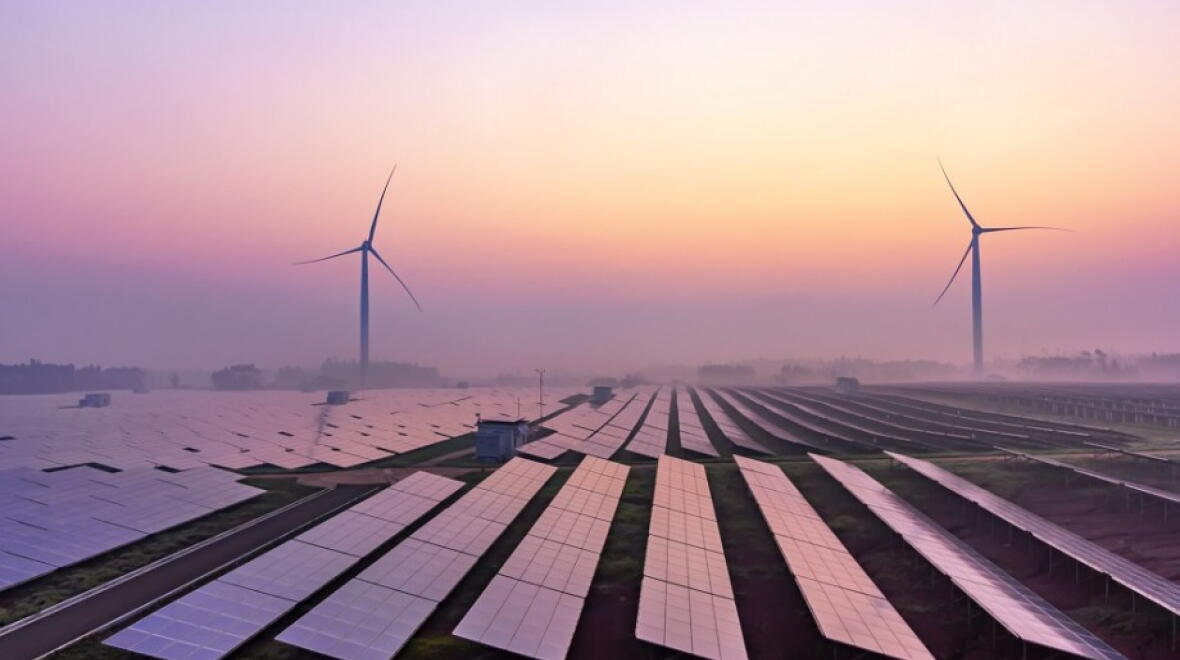
The Battery Storage and Grid Integration Program (BSGIP) undertakes socio-techno-economic research, development and demonstration activities that support the global energy transition and help achieve economy-wide decarbonisation.

ACCESS-NRI
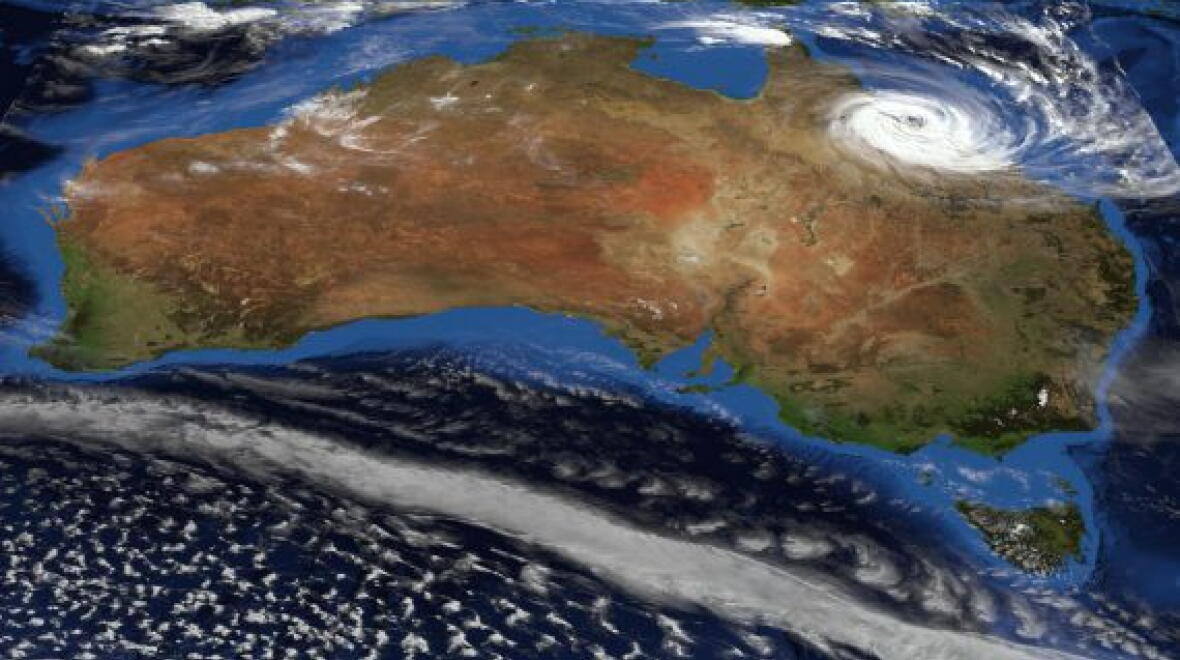
The Australian Community Climate and Earth System Simulator (ACCESS) is a computer modelling framework for research that includes atmospheric, ocean, sea-ice, and land surface models coupled to a range of chemical and biological models. Currently, the system supports critical modelling and research that contributes to international global climate reports, weather forecasting, seasonal prediction, climate projection and climate adaptation policy among many other uses.
Sustainable Farms
Sustainable Farms is a research and extension initiative based in the Fenner School of Environment and Society at the Australian National University.


Deadly heat stress conditions already occurring
Deadly heatwave events are occurring at temperatures and humidity levels previously thought to be survivable, according to a new paper by a team of international researchers, including from The Australian National University (ANU) and the University of Sydney.
Learn More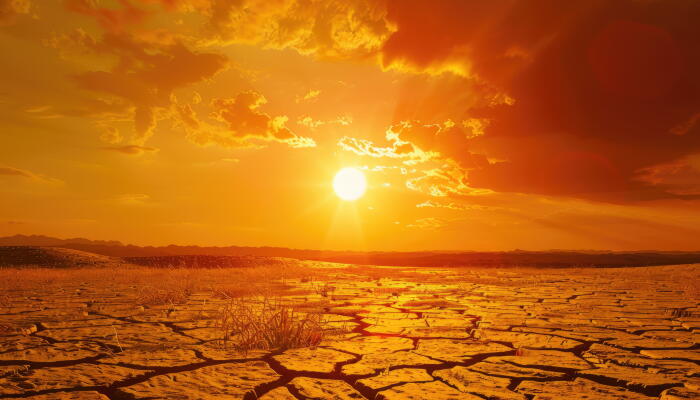
Heatwaves will be worst for rural parts of Africa – new model shows tens of millions face dangerous warming by 2100
Ask people where heatwaves hit hardest and most will probably say cities, which trap heat in concrete and metal and generate warmth from traffic and industry.
Learn More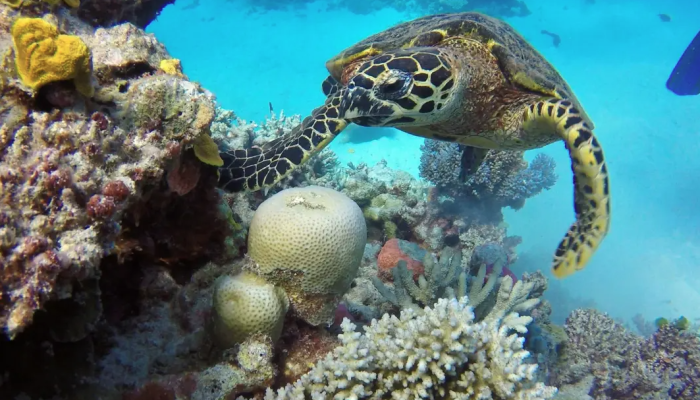
Australia’s environment is improving but climate change is ‘accelerating’ damage to ecosystems and wildlife
Australia’s environment experienced above average conditions for the fifth consecutive year in 2025, but climate change continues to inflict “serious and accelerating damage” on marine ecosystems while driving more species toward extinction, according to the 2025 Australia’s Environment Report, led by The Australian National University (ANU) in collaboration with TERN.
Learn More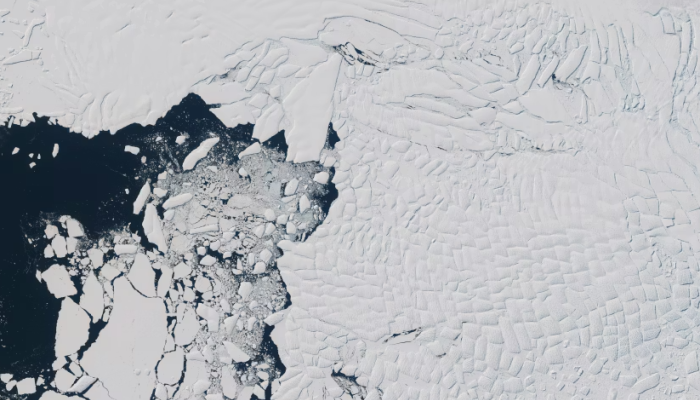
Hundreds of iceberg earthquakes detected at the crumbling end of Antarctica’s Doomsday Glacier
Glacial earthquakes are a special type of earthquake generated in cold, icy regions. First discovered in the northern hemisphere more than 20 years ago, these quakes occur when huge chunks of ice fall from glaciers into the sea.
Learn More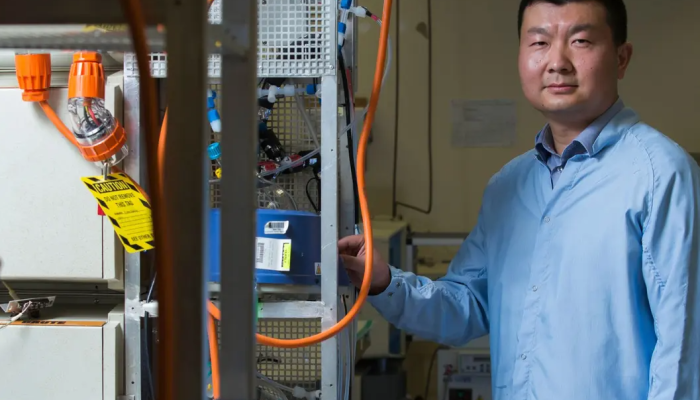
New study charts smarter path to 24/7 renewable power for heavy industry
Heavy industries can achieve 24/7 renewable power through the smart use of solar and battery storage, according to a new study from The Australian National University (ANU) and the Heavy Industry Low-carbon Transition Cooperative Research Centre (HILT CRC).
Learn More